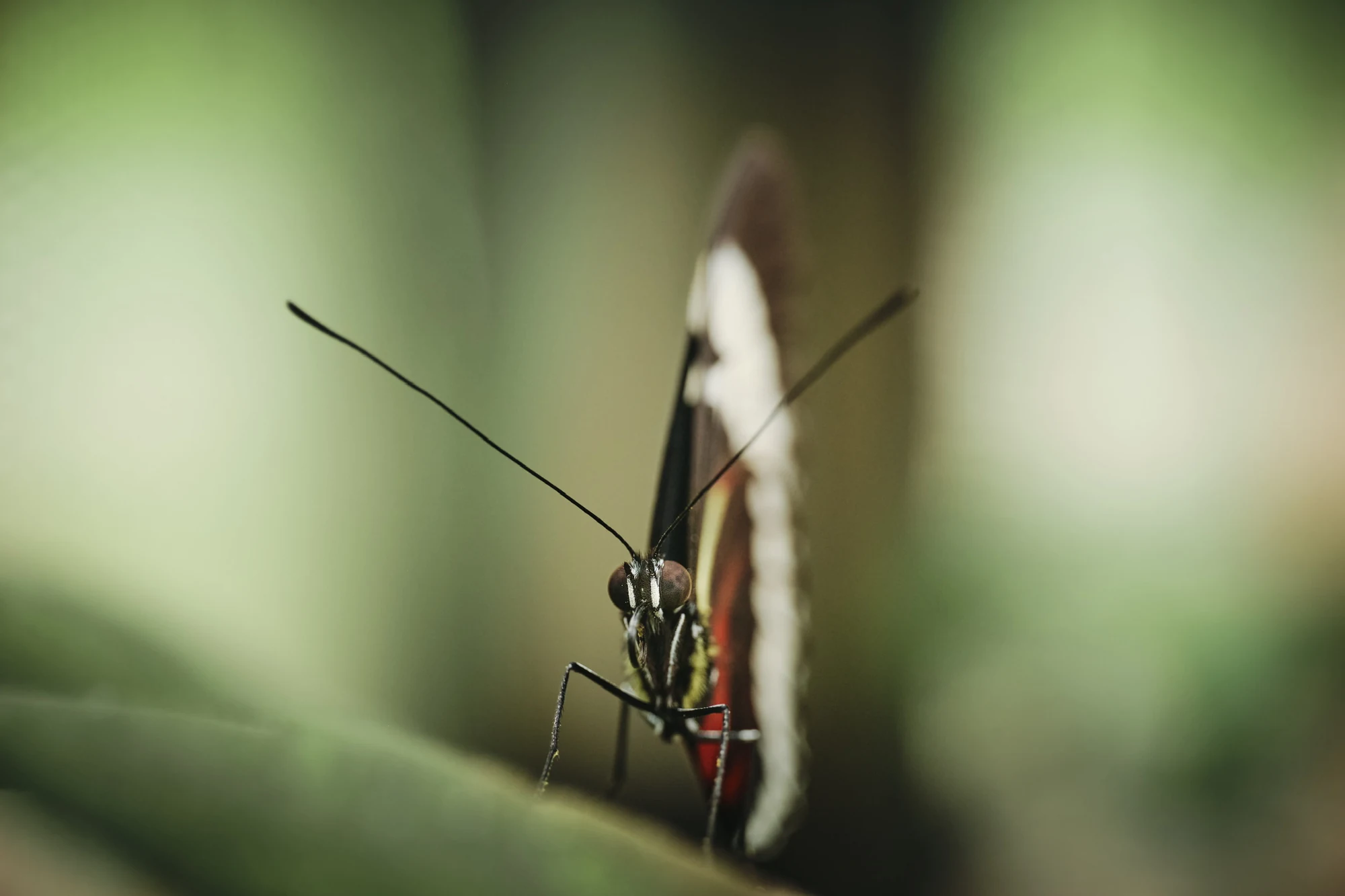
Divergent visual evolution in Heliconius butterflies
Some context
How do new species evolve ?
Understanding the mechanisms that generated the world’s biodiversity has been a major focus of evolutionary biology since its beginning in the 19th century. Speciation may happen in various ways, but this project focused on ecological speciation: a process through which divergent selection pressures drive population divergence until the formation of distinct species.
A mounting body of evidence has demonstrated the potential of the sensory environment to underlie divergent selection: incipient species are likely to be exposed to contrasting sensory conditions, representing significant adaptive challenges. In turn, divergence in sensory systems may promote reproductive isolation between locally adapted populations.
Two sister species in the Nymphalid butterfly genus Heliconius, H. cydno and H. melpomene, exhibit significant adaptive differences in visual acuity, which are hypothesized to correlate with divergent microhabitat preferences. However, the exact nature of the selection acting on their visual systems remains unclear. This project set out to fill in the gaps.
Project outline
Research questions:
Do the natural microhabitats of both species exhibit quantitative differences in spatial complexity ?
Do the two taxa show distinct behavioural responses to local variation in spatial complexity ?
In the field
- Collection of wild individuals of both species
- Individual data: sex, morphometrics, flight height …
- Capture of standardized photographic data (see right)
Behavioural experiments
- Common-garden
- Trials under distinct levels of spatial complexity:
- Exploratory activity
- Oviposition behaviour
- Mate choice
- Navigation
Main findings:
- In the field, spatial segregation of the two species is incomplete, with common areas of sympatry.
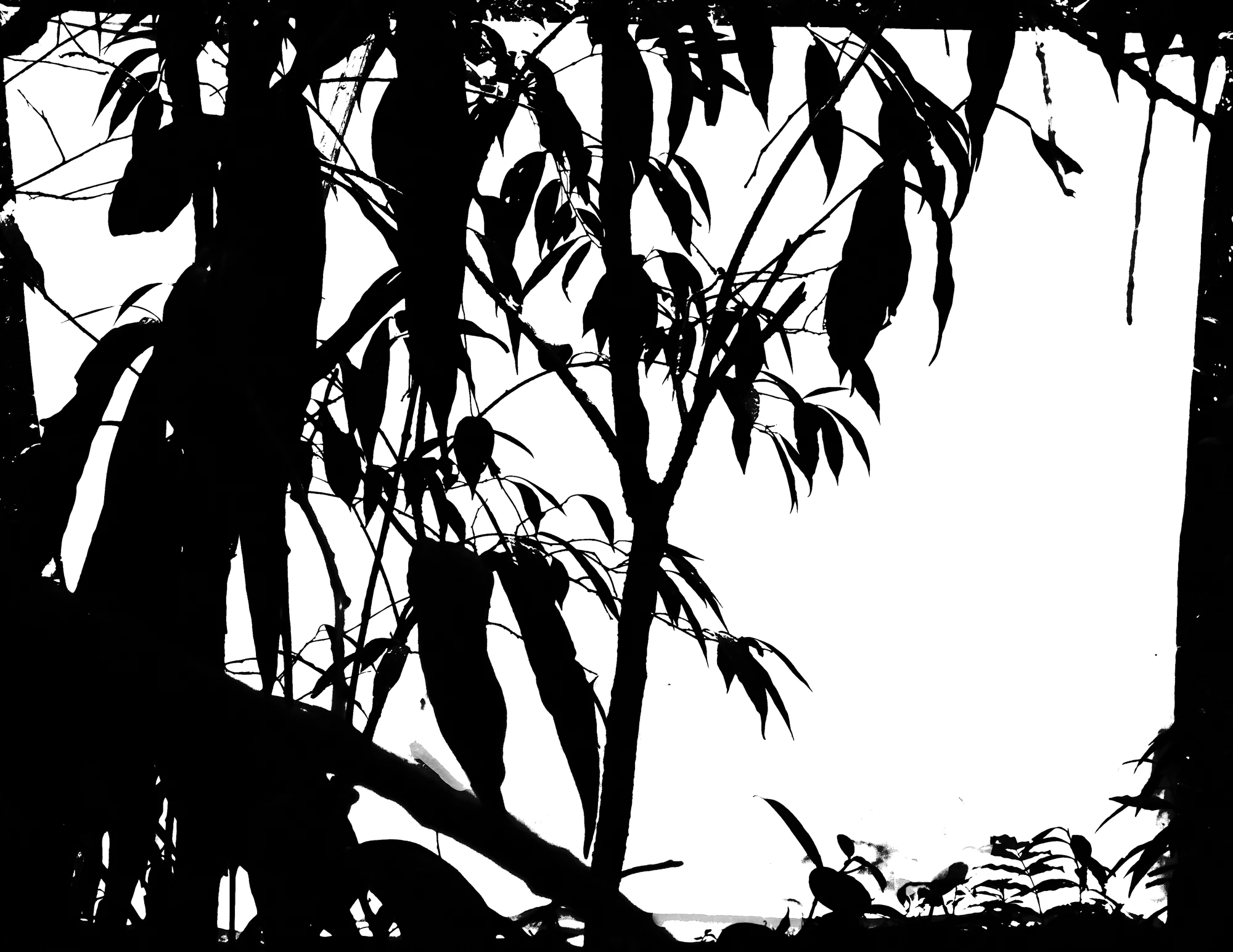
- The habitats of both species show distinct levels of spatial complexity in their canopies, but not in their understoreys.
- On average, H. melpomene flies significantly lower than its sister species. This could represent local adaptation to forest structure, but whether and how this relates to spatial complexity remains unclear.
- H. melpomene shows significantly higher overall activity levels than H. cydno.
- In relative terms, however, no clear behavioural differences could be demonstrated between the two species. This may be due to the low signal-to-noise ratio associated with behavioural studies: effect sizes and sample sizes are small, limiting statistical power.